Surgery background

ASCENT Fellowship in Skin & Aesthetic Science

Launching on 15th July ‘26
Early birdEarly Bird Registrations Open Now

Master Dermatology-Led Aesthetic Practice

Non-surgical expertise for modern aesthetic practice

Fellowship iconAbout the Fellowship

A New Learning Pathway for Plastic Surgeons in Modern Aesthetics

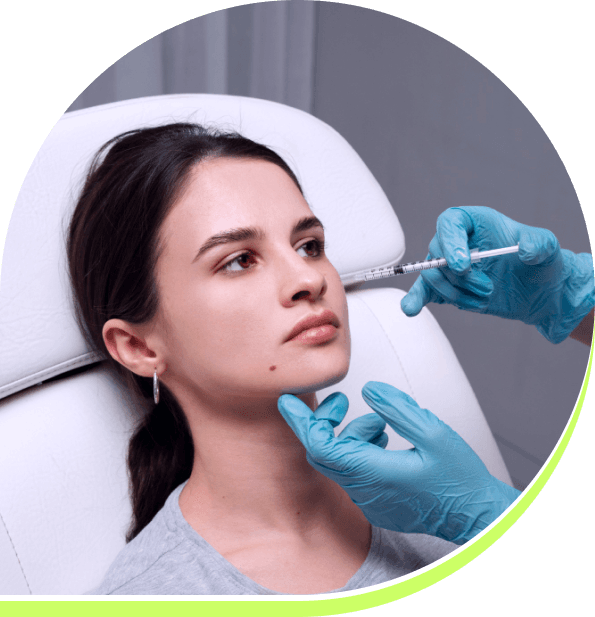
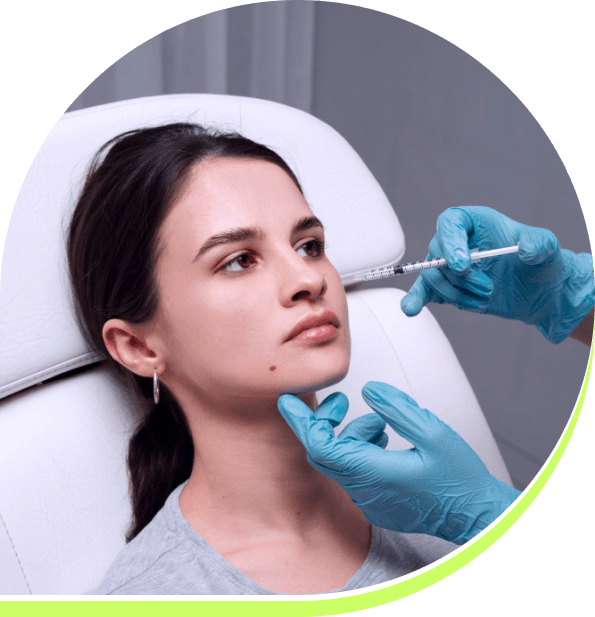
Aesthetic procedure demonstration

ASCENT Academy is launching a fellowship crafted exclusively for plastic surgeons who want to build stronger command over dermatology-centric aesthetic procedures and create a more rounded, future-ready aesthetic practice.

Unlike fragmented workshops or isolated device trainings, this fellowship is designed as a structured progression across core domains of skin and aesthetic science. Fellows receive complete academic exposure across all modules, while hands-on participation remains modular and flexible based on individual learning goals.

Fellowship Features

A structured, practice-focused learning experience

Expert Faculty

Expert Faculty

Learn from leading national & international aesthetic experts

Learning Pathway

Learning Pathway

A clear, module-wise progression across skin & aesthetic science

Case-Based Learning

Case-Based Learning

Sharpen decision-making through real-world aesthetic scenarios

Live Interactive Sessions

Live Interactive Sessions

Discuss cases, complications, and practical approaches with faculty

Modular Hands-On Training

Modular Hands-On Training

Choose practical exposure based on your learning priorities

Multi-Domain Coverage

Multi-Domain Coverage

From injectables and lasers to hair and body contouring and more

Practice-Oriented Approach

Practice-Oriented Approach

Focused on real-world application, not just theoretical knowledge

Flexible Learning Format

Flexible Learning Format

Learn online with in-person hands-on modules

Fellowship Structure

Track-1
Online | Self-paced

Recorded Academic Learning

In-depth HD lectures covering the theoretical foundations, clinical frameworks, faculty demonstrations, treatment planning principles, and complication prevention strategies across each module. MCQ-based evaluations are integrated for reinforcement.

Track-2
Online | Self-paced

Case-Based Learning Simulator

A curated, module-wise case learning environment where participants review patient scenarios, submit their diagnosis and treatment approach, and then compare their thinking with faculty-approved approaches and explanation videos. This phase is intended to strengthen real-world decision-making.

Track-3
Online | Faculty-led

Live Interactive Sessions

Interactive live sessions built for case discussions, complication scenarios, practical implementation guidance, and open Q&A. These sessions help bridge academic learning with practical execution.

Track-4
Module-Wise · À La Carte · Mumbai & Delhi

In-Person Hands-On Training

25-100 Hours of Hands-on Workshop delivered in focused blocks post module completion. Fellows select modules based on their practice goals, with at least one hands-on required. This ensures practical exposure while allowing flexibility to deepen skills where it matters most.

Fellowship Curriculum

7

Months of structured learning

7

Aesthetic modules

4

Learning Phases built for layered skill development

25-100

Hours of Hands-on Workshop

Note: Click on any module to expand and view details

Recorded Lectures (Theory & Planning)

Phase 1
  • Facial anatomy relevant to neuromodulators
  • Dynamic facial assessment and muscle balance
  • Different types of toxins available and what's new globally with advantages and disadvantages of each
  • Indications and treatment planning for botulinum toxin
  • Contra-indications, absolute and relative
  • Basic and advanced facial indications – upper face, lower face, neck
  • Medical indications – migraine, hyperhidrosis, facial palsy, etc.
  • Mesobotox, microbotox, Baby Botox techniques
  • Body indications – Traptox, calf, hypertrophic scar, keloids, etc.
  • Dilution strategies, dosing principles and injection depth
  • Prevention, recognition and early management of complications
  • Integration of neuromodulators into aesthetic and reconstructive practice
  • What exactly are skin boosters and different types available
  • Which skin booster to use and when
  • Different composition of skin boosters
  • Indications and contra-indications
  • Different ways and techniques of how to use skin boosters
  • Complications – prevention and management

Case-Based Simulator (What Case Types to Include)

Phase 2
  • Toxin use in younger patients
  • Toxin use in older patients
  • Combination strategies
  • Complication handling & management prevention
  • Different area combinations
  • Management & prevention
  • Skin texture improvement with boosters
  • Ethical case: unrealistic expectations

Live Interactive Session

Phase 3
  • Discussion on different toxins available
  • Complication scenarios and prevention
  • Detailed pre-operative and post-operative care
  • Different dose calculation
  • Skin boosters – overview and techniques
  • Techniques of administration: nappage technique, bolus technique, and cannula
  • Live review of 3–4 high-yield cases
  • Q&A on real-world practice integration

In Person Hands On

Hands On Duration: 1 Day
Phase 4
  • Live patient facial assessment & dynamic analysis
  • Muscle mapping and dose calculation exercises
  • Injection techniques:
    • Upper face (glabella, forehead, crow's feet)
    • Lower face (DAO, mentalis, masseter, perioral)
    • Neck bands & platysma
    • Hyperhidrosis (axillary ± palms)
  • Skin rejuvenation injectables:
    • Skin boosters
  • Depth control, dilution logic, techniques & injection ergonomics
  • Complication drills:
    • Asymmetry management
  • Post-procedure counselling & documentation

Recorded Lectures

Phase 1
  • Facial anatomy, vascular danger zones and risk mitigation in relation to injectable practice
  • Rheology, properties and selection of dermal fillers
  • Facial assessment for volume loss and structural imbalance
  • Mid-face, lower-face and perioral rejuvenation – cheeks, nasolabial folds, marionette lines, jawline and chin
  • Upper face – temple and forehead techniques
  • Lip enhancement principles
  • Peri-orbital use
  • Hands and décolletage rejuvenation
  • Body fillers – types and indications
  • Bio modulation and bio-stimulation
  • PLLA (Sculptra like) – indications, techniques, uses and complications
  • CAHA – Calcium Hydroxyapatite – uses, techniques and dangers
  • Cannula versus needle techniques
  • Multi-layering, sequencing and combination strategies
  • Management of filler-related complications including vascular events
  • Combining fillers with other modalities
  • Newer developments in fillers and bio-fillers

Case-Based Simulator (Case Types)

Phase 2
  • Young patient lip enhancement (aesthetic vs overcorrection)
  • Age-related mid-face volume loss
  • Jawline contouring in male vs female patient
  • Tear trough rejuvenation planning
  • Facial asymmetry correction
  • Hand rejuvenation case
  • High-risk vascular anatomy case
  • Post-filler complication management (occlusion suspicion)
  • Combination filler + toxin planning
  • Revision of poorly done fillers

Live Interactive Session

Phase 3
  • High-risk filler cases discussion
  • Complication management algorithms
  • Discussion on when & where to use which fillers
  • Discussion on when to use biomodulators, biostimulators, and when to combine them
  • Practical facial planning frameworks

In Person Hands On

Hands On Duration: 1 Day
Phase 4
  • Facial assessment for volume loss, sagging & imbalance
  • Pre-procedure markings and codes
  • Injection techniques (needle & cannula):
    • Cheeks (medial & lateral)
    • Lips (shape, volume, proportion)
    • Nasolabial folds & marionette lines
    • Jawline & chin
    • Tear trough (demonstration / selected hands-on)
    • Hands rejuvenation (demonstration)
  • Plane selection & layering strategies
  • Aspiration, slow injection & safety checkpoints
  • Emergency protocols:
    • Vascular occlusion recognition
    • Hyaluronidase use & emergency kits
  • Combination planning

Recorded Lectures

Phase 1
  • Laser physics and tissue interaction
  • Patient selection and contraindications
  • Hair reduction technologies
  • Pigmentary and vascular lasers
  • Fractional ablative and non-ablative resurfacing
  • Q-switched and picosecond laser applications
  • Radiofrequency and RF microneedling (MNRF)
  • High-intensity focused ultrasound (HIFU)
  • 1470 Diode – ablative and non-ablative
  • Erbium glass and CO₂ lasers
  • Intense Pulsed Light therapy
  • Discussion of various devices
  • How to start a laser practice – which lasers to buy and when
  • Financing your lasers and ROI
  • Treatment endpoints and parameter selection
  • Prevention and management of adverse events such as burns and pigmentation
  • Medi-facials – molecules and integration into aesthetic practice
  • IV drips – everything you need to know

Case-Based Simulator (Case Types)

Phase 2
  • Hair reduction planning
  • Melasma management case
  • Acne scar resurfacing selection
  • Post-inflammatory hyperpigmentation risk case
  • Tattoo removal planning
  • RF vs HIFU decision case
  • Combination laser planning
  • Burn complication recognition
  • Device parameter optimisation scenario
  • Ethical case: device misuse
  • Medi-facial integration case

Live Interactive Session

Phase 3
  • Parameter selection errors
  • Complication handling strategies
  • Practical device integration into clinic
  • What device to buy and how to build your lasers practice
  • IV drips: indication, safety, and patient selection case

In Person Hands On

Hands On Duration: 1 Day
Phase 4
  • Device orientation & safety checklist
  • Patient evaluation & test spot logic
  • Hands-on exposure to:
    • Hair reduction lasers
    • Pigment & vascular lasers
    • Fractional resurfacing (ablative / non-ablative)
    • RF & RF microneedling
    • HIFU (demonstration + supervised planning)
  • Parameter selection & endpoint recognition
  • Cooling, overlap & pass strategies
  • Complication drills:
    • Burns
    • PIH prevention
  • Post-laser care protocols
  • Medifacials
  • IV Drips

Recorded Lectures

Phase 1
  • Principles of regenerative medicine in aesthetics
  • Role of biologics in skin and hair rejuvenation
  • Everything about exosomes – mechanism, indications, regulations and clinical use
  • Platelet-rich plasma (PRP) and growth factor concentrates (GFC) – all myths cleared
  • Poly-nucleotides and Polydeoxyribonucleotide (PDRN) – the new regenerative frontiers
  • Stem cell-based regenerative approaches
  • Mesotherapy – principles, substances, composition, molecules, devices and regenerative protocols
  • Growth factors – sources and uses
  • Peptides, bio-mimetic peptides – sources, uses, future, hype
  • NAD and related molecules like NMN etc., safety and indications
  • Patient selection and treatment planning
  • Evidence-based application and limitations
  • Safety considerations and complication management
  • Integration of regenerative therapies into aesthetic practice
  • Longevity and age-reversal
  • Chemical peels – types of peels and indications
  • Different methods of peels
  • Complications and management
  • Combining with other treatments

Case-Based Simulator (Case Types)

Phase 2
  • Early anti-aging patient seeking preventive regenerative therapy
  • Exosomes vs PRP decision case for facial rejuvenation
  • GFC planning in patient with poor skin quality
  • PDRN use in compromised skin healing scenario
  • Combination therapy case: boosters + regenerative medicine
  • Mature patient requiring anti-aging strategy with limited downtime
  • Non-responder to prior PRP therapy
  • Regenerative planning in post-procedure recovery setting
  • Ethical case: overpromising stem cell outcomes
  • Long-term maintenance protocol planning
  • Cases of different peels

Live Interactive Session

Phase 3
  • Regenerative therapy comparison discussions
  • Choosing between PRP, GFC, exosomes and PDRN
  • Real-world challenges in integrating anti-aging biologics into practice
  • Choosing between regenerative therapies, fillers, biostimulators and biomodulators
  • When to use which peels
  • Application of chemical peels – tips & tricks
  • Complications of chemical peels
  • Q&A on patient counselling, outcomes and expectations

In Person Hands On

Hands On Duration: 1 Day
Phase 4
  • Patient selection for regenerative therapies
  • Procedures:
  • PRP preparation and injection (hands-on)
  • GFC preparation and application
  • Mesotherapy protocols and compounds
  • Exosomes – application techniques
  • PDRN-based therapies
  • Combination protocols:
    • Boosters + regenerative therapy
    • Regenerative + injectables
  • Treatment planning for anti-aging patients
  • Clinical Considerations:
  • Indications vs overuse
  • Evidence-based application
  • Outcome expectations
  • Chemical Peels

Recorded Lectures

Phase 1
  • Fundamentals of thread lifting
  • Facial anatomy relevant to thread placement
  • Types of threads and their classification
  • Patient selection and expectation management
  • Facial vector planning and marking principles
  • Entry points and placement strategies
  • Combination approaches with fillers and neuromodulators
  • Prevention and management of thread-related complications
  • Body threads, nose threads, eyebrow lift
  • Jawline and neck contouring
  • Different types of threads with indications of where to use
  • Role of thread lift in comprehensive facial rejuvenation
  • Newer threads, bio-modulatory threads and future developments

Case-Based Simulator (Case Types)

Phase 2
  • Early aging vs advanced laxity
  • Mid-face lift planning
  • Jawline definition case
  • Failed thread revision case
  • Combination rejuvenation planning
  • Complication recognition scenario
  • Vector planning exercise
  • Male vs female face case
  • Ethical over-promising case
  • Maintenance planning

Live Interactive Session

Phase 3
  • Discussion of different scenarios where threads can help
  • How we can combine threads with different modalities
  • Vector logic discussion
  • Managing expectations & outcomes
  • Patient selection criteria

In Person Hands On

Hands On Duration: 1 Day
Phase 4
  • Patient selection & expectation setting
  • Facial markings & vector planning workshop
  • Thread types & indication matching
  • Entry point creation & plane identification
  • Hands-on thread placement:
    • Mid-face
    • Jawline
    • Neck (selected cases)
  • Combination strategies with fillers & toxin
  • Complication management:
    • Dimpling
    • Asymmetry
    • Thread visibility / extrusion
  • Post-procedure care protocols

Recorded Lectures

Phase 1
  • Hair loss evaluation and classification
  • Trichoscopy and diagnostic work-up
  • Medical management of alopecia – older and newer oral and topical molecules
  • Mesotherapy in trichology – molecules, devices and protocols
  • Role of botulinum toxin and threads for treating hair loss
  • Low-level laser therapy (LLLT) – devices and dosage
  • Regenerative and injectable trichology – exosomes, PDRN, peptides, biomimetic peptides, etc.
  • DHT blockers – oral, topical and injectable
  • Hair fillers – newer frontier
  • Patient selection for medical vs surgical intervention
  • Overview of FUE and FUT techniques
  • Donor area assessment and planning
  • Hairline design and aesthetic considerations
  • Implantation principles and implanters
  • Post-transplant care and complication prevention
  • Integration of medical and surgical hair restoration
  • Female hairfall and management with a note on transplant
  • Hair loss in early age – management
  • Body hair transplant
  • Beard, moustache, eyebrow transplant
  • Long hair transplant

Case-Based Simulator (Case Types)

Phase 2
  • Male pattern hair loss staging and treatment pathway
  • Female pattern hair loss with combined medical strategy
  • Diffuse thinning: PRP vs exosomes decision case
  • Hair transplant candidacy assessment
  • Donor limitation planning case
  • Hairline design discussion in a young patient
  • Post-transplant maintenance planning
  • Failure of previous non-surgical therapy
  • Combined medical + surgical long-term care model
  • Ethical case: unsuitable patient requesting transplant

Participants submit diagnosis, restoration plan and maintenance strategy → Faculty explains their preferred integrated medical-surgical approach.

Live Interactive Session

Phase 3
  • Hair restoration decision planning
  • Medical vs surgical sequencing discussions
  • What medical treatment to give to whom – young & older patients, female patients
  • Planning frameworks for plastic surgeons entering hair practice
  • Setting up a hair transplant practice
  • Integration of medical & regenerative trichology practice with transplants
  • Q&A on integration of trichology with transplantation

In Person Hands On

Hands On Duration: 6 Days
Phase 4
  • Day 1 – Scalp Assessment & Diagnosis
    • Trichoscopy interpretation
    • Hair loss classification
    • Medical vs surgical candidate identification
    • Case discussion and planning
  • Day 2 – Injectable Trichology
    • PRP preparation and injection (hands-on)
    • GFC and mesotherapy protocols
    • Exosomes in hair restoration
    • Injection patterns and depth control
    • Botulinum toxin in trichology
    • Injectable anti-androgens (dutasteride, mesotherapy) & Minoxidil
    • LLLT application
    • Combination therapy planning
  • Day 3 – Hair Transplant Fundamentals
    • Donor area assessment
    • Hairline design principles
    • Recipient area planning
    • Overview of FUE/FUT techniques
  • Day 4 – Assisted Procedural Exposure
    • Graft handling and implantation concepts
    • Surgical workflow observation
    • Pre- and post-operative protocols
  • Day 5 – Integration & Planning
    • Combining medical and surgical approaches
    • Long-term patient management
    • Complication prevention
    • Practice integration strategies
  • Day 6 – Hands-on Training in Hair Transplant Extraction & Implantation

Recorded Lectures

Phase 1
  • Principles of aesthetic body contouring
  • Patient selection and expectation management
  • Fat distribution and body analysis
  • Surgical body contouring fundamentals (liposuction concepts)
  • Tumescent techniques and planning
  • High-definition and sculptural contouring
  • Area-wise planning: abdomen, flanks, thighs, arms with emphasis on marking
  • Fat harvesting, processing and grafting techniques
  • Structural fat grafting concepts and SVF
  • Combination approaches with devices and regenerative therapies
  • Management of contour irregularities and asymmetry
  • Post-operative care and optimization
  • Integration of body contouring into aesthetic practice
  • Non-surgical body contouring – technologies and devices
  • Cryotherapy
  • Lipolysis – injectable molecules and techniques
  • EMS – when and where to use

Case-Based Simulator (Case Types)

Phase 2
  • Localised adiposity vs generalised obesity planning case
  • High-definition abdomen contouring candidate selection
  • Post-weight-loss body contouring strategy
  • Body contouring with poor skin quality decision case
  • Fat grafting suitability for contour correction
  • Combined liposuction + fat transfer planning case
  • Revision contour irregularity case
  • Male vs female contouring priorities
  • Non-surgical vs surgical pathway decision case
  • Ethical case: unrealistic body transformation expectations

Live Interactive Session

Phase 3
  • Surgical vs non-surgical contouring debates
  • Fat grafting integration in body contouring
  • Common planning mistakes and revision pearls
  • In detail discussion of markings
  • Q&A on patient selection, outcomes and complication prevention

In Person Hands On

Hands On Duration: 6 Days
Phase 4
  • Day 1 – Patient Evaluation & Planning
    • Body aesthetic assessment
    • Fat distribution analysis
    • Markings for abdomen, flanks, arms and thighs
    • Patient selection and safety protocols
  • Day 2 – Liposuction Fundamentals
    • Tumescent infiltration techniques
    • Cannula selection, machine selection and entry points
    • Safe fat removal principles
  • Day 3 – Area-Specific Contouring
    • Abdomen and flanks sculpting
    • Transition zones
    • High-definition contouring concepts
  • Day 4 – Secondary Areas
    • Arms and thighs contouring
    • Submental contouring (demonstration)
    • Symmetry correction
  • Day 5 – Fat Grafting Techniques
    • Fat harvesting and processing
    • Structural fat grafting
    • Volume restoration principles, SVF
    • Combination procedures
  • Day 6 – Complications & Optimisation
    • Managing contour irregularities
    • Revision strategies
    • Post-operative care and compression
    • Long-term outcome optimisation
    • Practice integration and case selection

Learn from Leading National & International Faculty

Dr. Amalia Tsiatoura

Greece flag

Dr. Amalia Tsiatoura

Greece
Dr. Anju Methil
India flag

Dr. Anju Methil

India
Dr. Aseem Sharma
India flag

Dr. Aseem Sharma

India
Dr. Dhirendrakumar L. Patil
India flag

Dr. Dhirendrakumar L. Patil

India
Dr. George Sulamanidze
Georgia flag

Dr. George Sulamanidze

Georgia
Dr. Jyotirmay Bharti
India flag

Dr. Jyotirmay Bharti

India
Dr. Madhuri Agarwal
India flag

Dr. Madhuri Agarwal

India
Dr. Nitin Sethi
India flag

Dr. Nitin Sethi

India
Dr. Rajat Gupta
India flag

Dr. Rajat Gupta

India
Dr. Roxanna Sadoughifar
Iran flag

Dr. Roxanna Sadoughifar

Iran
Dr. Sarah Alenezi
USA flag

Dr. Sarah Alenezi

USA
Dr. Smriti Shrestha
Nepal flag

Dr. Smriti Shrestha

Nepal
Dr. Su Phyo Aung
Myanmar flag

Dr. Su Phyo Aung

Myanmar
Dr. Sukhbir Singh
India flag

Dr. Sukhbir Singh

India
Dr. Uddhav Patil
India flag

Dr. Uddhav Patil

India
Dr. Viral Desai
India flag

Dr. Viral Desai

India
Prof. Dr. Patrick Treacy
Ireland flag

Prof. Dr. Patrick Treacy

Ireland

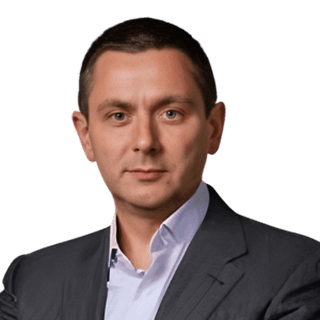
Letter from the Program Director

Aesthetic practice today is no longer defined by surgery alone.

Patients increasingly seek treatments that address skin quality, aging patterns, facial balance, and hair restoration, often before they ever consider a surgical intervention. This shift has expanded aesthetics into a space where dermatology-driven procedures play a central role in patient outcomes.

Yet, most plastic surgeons are not formally trained in this side of practice.

The Fellowship in Skin & Aesthetic Science is designed to bridge this gap, bringing together skin, aging, facial balance, hair, and non-surgical interventions into a structured, clinically grounded learning pathway. Through focused theory, case-based reasoning, live academic interaction, and modular hands-on training, the program enables surgeons to build a more complete and contemporary aesthetic practice.

This is not about moving away from surgery. It is about strengthening what surrounds it.

Quote
Dr. Viral Desai

Dr. Viral Desai

Founder, Promoter & Medical Director
NHDT India, Desai Hospital Pvt. Ltd

Hands-On Training Experience

Each hands-on module provides controlled, supervised procedural exposure using real products, devices, and clinical scenarios. The focus is on safe execution, planning, and technique clarity, rather than volume-based practice.

Hands-On Exposure Includes:

  • Botulinum toxin applications (guided injection practice)
  • Skin boosters and micro-injection techniques

Minimum Product Exposure:

  • Botulinum Toxin: 20 units
  • Skin Boosters: 1 syringe

Fellowship Schedule & Learning Roadmap

ASCENT follows a structured month-wise academic progression so fellows can build learning in a logical sequence across injectables, devices, regenerative aesthetics, threads, hair, and body contouring.

Month
01
Module-1

Facial Injectables – Botulinum Toxin & Skin Boosters

Recorded LecturesCase-Based LearningLive Sessions
Month
02
Module-2

Dermal Fillers

Recorded LecturesCase-Based LearningLive Sessions
Month
03
Module-3

Lasers & Energy-Based Devices, Medifacials & IV drips

Recorded LecturesCase-Based LearningLive Sessions
Window
01
Facial Injectables – Botulinum Toxin & Skin BoostersFriday
Dermal FillersSaturday
Lasers & Energy-Based DevicesSunday
Month
04
Module-4

Regenerative Medicine

Recorded LecturesCase-Based LearningLive Sessions
Month
05
Module-5

Thread Lift

Recorded LecturesCase-Based LearningLive Sessions
Month
06
Module-6

Trichology & Hair Transplantation

Recorded LecturesCase-Based LearningLive Sessions
Month
07
Module-7

Body Contouring (Lipolytics / Surgical Integration)

Recorded LecturesCase-Based LearningLive Sessions
Window
02
Regenerative Medicine & Anti-AgingSaturday
Thread LiftSunday
Trichology & Hair TransplantationMon–Sat
Window
03
Surgical & Non-Surgical Body Contouring with Fat GraftingMon–Sat

*Hands-on training is conducted in supervised, small-group formats and is offered module-wise on an à la carte basis. Fellows may choose the practical modules most relevant to their current or planned practice.


Who Should Apply?

Qualified Plastic Surgeons

Qualified Plastic Surgeons

Plastic surgeons who want to expand into dermatology-centric aesthetic procedures and build a more complete aesthetic offering within their practice.

Plastic Surgery Trainees

Plastic Surgery Trainees

Those seeking structured exposure to contemporary aesthetic procedures beyond conventional surgical emphasis.

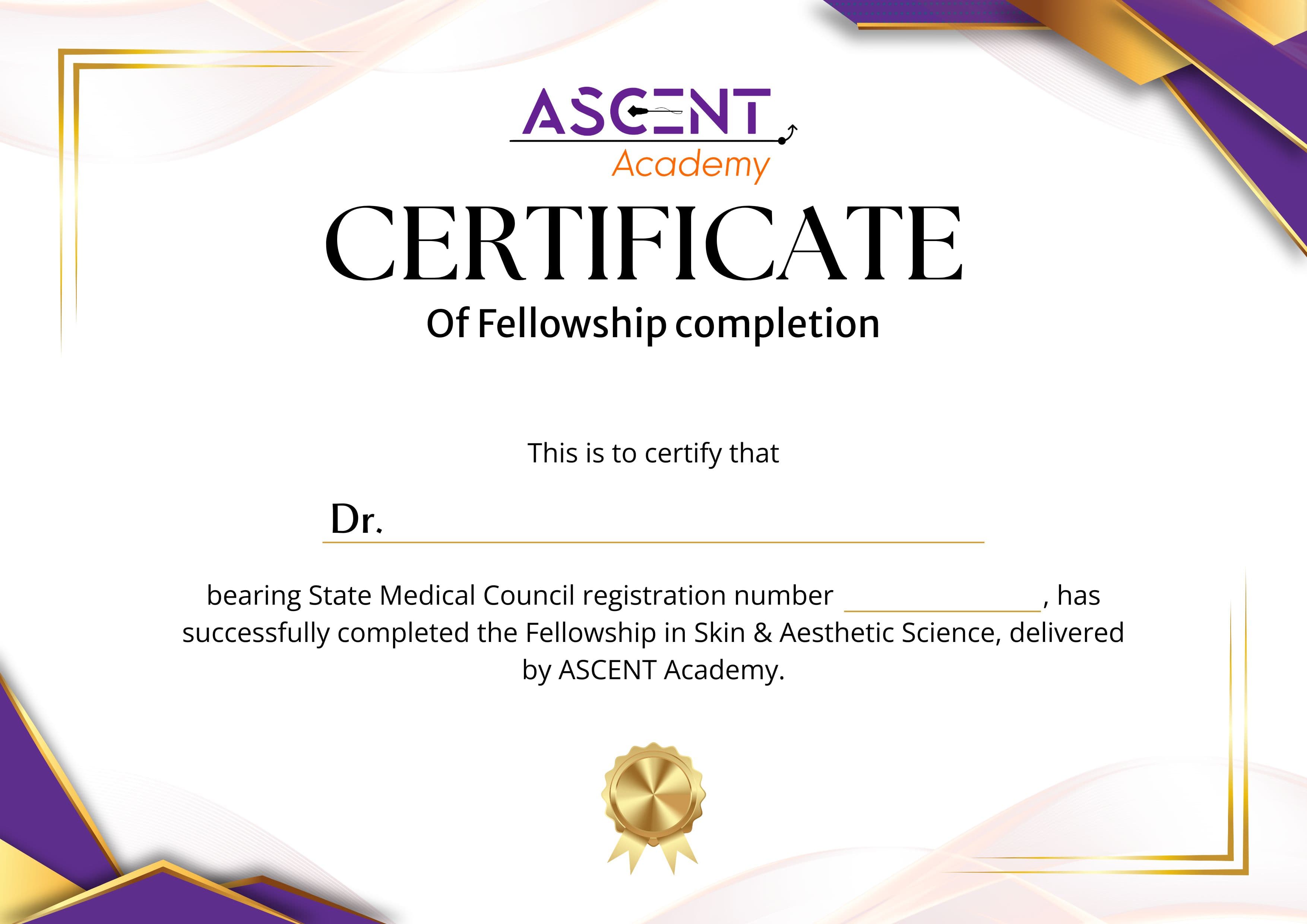
Fellowship Certificate

Fellowship Certificate

Download the Fellowship Brochure

Fellowship Registration

Configure Your Fellowship

Step-1

Fellowship Core Program – Access to all 7 Modules

  • Structured recorded lectures
  • Case-based learning simulator
  • Live interactive sessions
  • Academic support & assessments
  • Fellowship certification
Basic Fees
Step-2

Select Your Hands-On Training

(Minimum 1 Required)

Choose the modules you wish to learn:

Note:
  • Selection of at least one hands-on module is mandatory to complete registration
  • You may choose multiple hands-on modules based on your learning goals
  • Hands-on training is conducted in structured window aligned with module completion
  • Window 1: Conducted after Modules 1–3 (Mumbai)
  • Window 2 & 3: Conducted after Modules 4–7 (Mumbai & Delhi)
  • Surgical body contouring hands-on is conducted in Delhi, all other modules in Mumbai
  • Additional hands-on modules may be attended in current or future cohorts, subject to availability

Cost Summary

Frequently Asked Questions

Toggle

What is the ASCENT Fellowship in Skin & Aesthetic Science?

The ASCENT Fellowship is a 7-month structured program designed exclusively for plastic surgeons, focused on dermatology-led aesthetic procedures including injectables, lasers, regenerative therapies, trichology, and body contouring.
Toggle

Who is this fellowship designed for?

Toggle

How is this fellowship different from short-term workshops?

Toggle

What is the duration of the fellowship?

Get in Touch
Registration Support

Registration Support


Enrolled Student Support

Enrolled Student Support


Phone
Ms. Shraddha+91 72089 44542
Phone
Ms. Rutuja+91 96659 48370
Escalation Matrix

Escalation Matrix


Phone
Mr. Chockalingam+91 78100 32575
Phone
Mr. Natarajan+91 97890 67955

Contact Us